
生活大爆炸第六季
China and India face considerable scope for cooperation in the field of AI: Indian venture capital veteran_我的网站

一 |
IT之家 8 月 22 日消息,国家市场监管总局昨日发布公告,特斯拉、小米、零跑、小鹏、吉利、奇瑞、东风、北汽、一汽 9 家车企因车内应急机械拉手相关问题备案召回计划,涉及总量超 400 万辆车。 
China and India have considerable scope for cooperation in the field of artificial intelligence (AI), as their AI capabilities are complementary in many respects, a senior Indian investor told the Global Times in an exclusive interview.
There is considerable scope for AI cooperation in areas that address common global challenges, including healthcare, education, agriculture, climate resilience, industrial productivity and scientific research, always within the policy frameworks established by the respective governments and international perspectives on responsible and secure AI, Mahendra Swarup, founder of VG Capital and former president of the Indian Venture and Alternate Capital Association, told the Global Times on Wednesday.
AI is likely to become one of the defining technologies of this century. India's strengths lie in software development, engineering talent, digital public infrastructure and entrepreneurial innovation. China has developed significant capabilities in AI applications, hardware, manufacturing and large-scale deployment. "These capabilities are complementary in many respects," Swarup said.
The veteran on the front line of India's venture capital investment sector made the remarks amid improving bilateral ties and a certain level of liberalization of Chinese investments in India.
Chinese investors have historically contributed to the growth of several successful Indian companies, especially start-ups. While investment activity has been moderated by regulatory developments over the past few years, there has always been underlying interest in the Indian market because of its long-term fundamentals, Swarup said.
"If the recent improvement in bilateral relations leads to greater regulatory clarity and business confidence, the Chinese investors will once again evaluate opportunities in India, although the general sentiment is one of cautious optimism," said Swarup.
Amid positive momentum in bilateral relations, Swarup noted rising opportunities for entrepreneurs from the two countries to engage in practical cooperation.
There are several areas where entrepreneurs from India and China could potentially complement each other's strengths, subject to the regulatory frameworks of different sectors in both countries, the investor said, highlighting areas including healthcare technologies, clean energy, electric mobility, advanced manufacturing, climate technologies, industrial automation, logistics and supply-chain innovation.
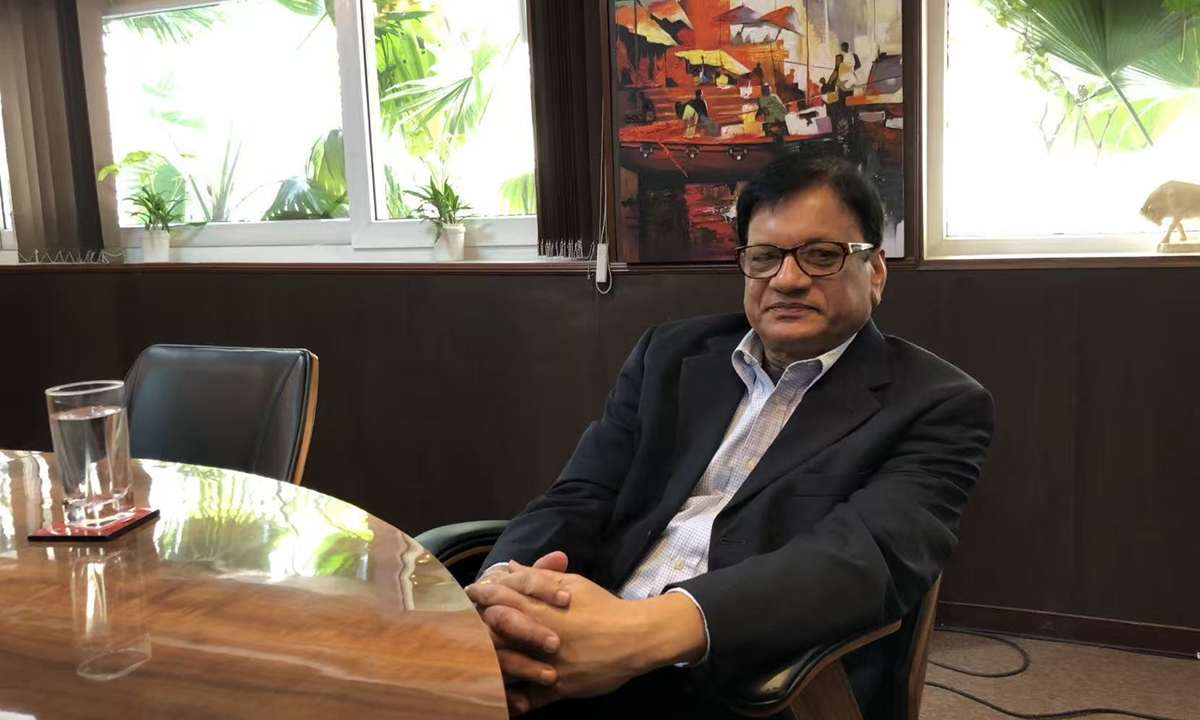
"In whichever sector the complementary strengths of both China and India can be brought together responsibly, they can create value not only for both countries but also for global markets," said Swarup.
India has recently shown signs of easing some long-standing restrictions on trade and investment with China, with Chinese experts saying that the move reflects the country's growing recognition of China's importance to its economic development, and a desire to create a more favorable environment for improving bilateral ties.
There has been a gradual policy adjustment, including easing restrictions on foreign direct investment (FDI) in e-commerce, allowing FDI from companies with Chinese ownership, The Hindu reported on August 1.
With India set to host a BRICS summit this year, Swarup also said that Indian and Chinese companies can work together to promote the interests of developing countries.
India and China are both major economies with significant experience in addressing the challenges of development at scale. Although each country has followed its own development path, there are areas where companies from both nations can contribute meaningfully to broader development across Asia, Africa and other emerging markets, Swarup noted.
There is considerable potential for collaboration in affordable healthcare, digital financial inclusion, renewable energy, agricultural technologies, education technology, infrastructure, supply-chain development and support for small and medium-sized enterprises. These are areas where scalable and affordable solutions can have a significant impact on improving livelihoods, the veteran said.
Partnerships that combine technology, entrepreneurship and long-term investment can help create solutions that are both commercially sustainable and socially impactful. "As two of the largest economies in the Global South, India and China have the opportunity to contribute positively to sustainable development through innovation, responsible investment and constructive commercial engagement," Swarup said.
。其中特斯拉召回数量最多,达 297.6 万辆,涵盖国产 Model 3、Model Y 及进口 Model 3、Model X、Model S 等车型。
。China and India have considerable scope for cooperation in the field of artificial intelligence (AI), as their AI capabilities are complementary in many respects, a senior Indian investor told the Global Times in an exclusive interview.
There is considerable scope for AI cooperation in areas that address common global challenges, including healthcare, education, agriculture, climate resilience, industrial productivity and scientific research, always within the policy frameworks established by the respective governments and international perspectives on responsible and secure AI, Mahendra Swarup, founder of VG Capital and former president of the Indian Venture and Alternate Capital Association, told the Global Times on Wednesday.
AI is likely to become one of the defining technologies of this century. India's strengths lie in software development, engineering talent, digital public infrastructure and entrepreneurial innovation. China has developed significant capabilities in AI applications, hardware, manufacturing and large-scale deployment. "These capabilities are complementary in many respects," Swarup said.
The veteran on the front line of India's venture capital investment sector made the remarks amid improving bilateral ties and a certain level of liberalization of Chinese investments in India.
Chinese investors have historically contributed to the growth of several successful Indian companies, especially start-ups. While investment activity has been moderated by regulatory developments over the past few years, there has always been underlying interest in the Indian market because of its long-term fundamentals, Swarup said.
"If the recent improvement in bilateral relations leads to greater regulatory clarity and business confidence, the Chinese investors will once again evaluate opportunities in India, although the general sentiment is one of cautious optimism," said Swarup.
Amid positive momentum in bilateral relations, Swarup noted rising opportunities for entrepreneurs from the two countries to engage in practical cooperation.
There are several areas where entrepreneurs from India and China could potentially complement each other's strengths, subject to the regulatory frameworks of different sectors in both countries, the investor said, highlighting areas including healthcare technologies, clean energy, electric mobility, advanced manufacturing, climate technologies, industrial automation, logistics and supply-chain innovation.
"In whichever sector the complementary strengths of both China and India can be brought together responsibly, they can create value not only for both countries but also for global markets," said Swarup.
India has recently shown signs of easing some long-standing restrictions on trade and investment with China, with Chinese experts saying that the move reflects the country's growing recognition of China's importance to its economic development, and a desire to create a more favorable environment for improving bilateral ties.
There has been a gradual policy adjustment, including easing restrictions on foreign direct investment (FDI) in e-commerce, allowing FDI from companies with Chinese ownership, The Hindu reported on August 1.
With India set to host a BRICS summit this year, Swarup also said that Indian and Chinese companies can work together to promote the interests of developing countries.
India and China are both major economies with significant experience in addressing the challenges of development at scale. Although each country has followed its own development path, there are areas where companies from both nations can contribute meaningfully to broader development across Asia, Africa and other emerging markets, Swarup noted.
There is considerable potential for collaboration in affordable healthcare, digital financial inclusion, renewable energy, agricultural technologies, education technology, infrastructure, supply-chain development and support for small and medium-sized enterprises. These are areas where scalable and affordable solutions can have a significant impact on improving livelihoods, the veteran said.
Partnerships that combine technology, entrepreneurship and long-term investment can help create solutions that are both commercially sustainable and socially impactful. "As two of the largest economies in the Global South, India and China have the opportunity to contribute positively to sustainable development through innovation, responsible investment and constructive commercial engagement," Swarup said.
。其中特斯拉召回数量最多,达 297.6 万辆,涵盖国产 Model 3、Model Y 及进口 Model 3、Model X、Model S 等车型。

二 | 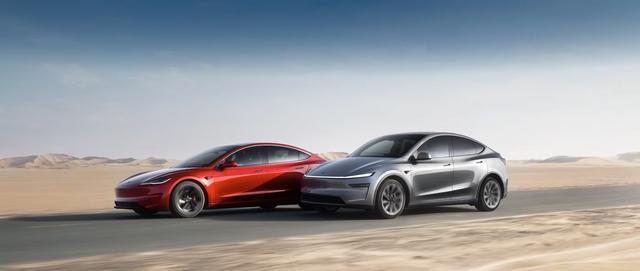 此次大规模召回源于车内应急机械拉手与内饰颜色接近,不易识别和操作。当发生严重碰撞导致整车低压系统失效等极端情形时,可能影响驾乘人员快速开启车门逃生和车外人员救援。特斯拉的解决方案包括两项措施:一是在车内应急机械拉手位置免费加贴警示标识;二是通过 OTA 远程升级车窗控制软件,增加事故后自动降窗策略。
 针对车主关心的“是否需要立即驾车前往服务中心”问题,特斯拉中国官方客服回应称无需全部进店,而是采取分级处理方式。据介绍,部分车主会收到三项提示 ——“增加车门应急拉手标识”“更新车辆软件以增加车辆事故后降窗策略”以及“更新车辆软件以改善驾驶员注意力检测功能”。收到这三项提示的车主,软件部分等待 OTA 即可。涉及车门应急拉手标识的车辆,可在有保养或检修需求时顺路前往服务中心领取贴纸。

三 | 另一部分车辆仅涉及两项软件更新提示,等待 OTA 即可,无需任何线下操作。关于贴纸领取,特斯拉客服表示,相关警示标识贴纸预计 9 月底发放至各服务中心,加贴实施周期为 3 年,期间车主均可领取。部分已配备警示标识的车辆无需再次加贴(IT之家注:召回工作自 2026 年 9 月 25 日起正式实施)。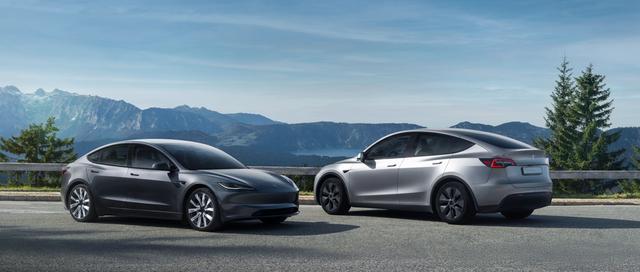 除特斯拉外,其他车企采取的整改措施基本相似,主要为加贴警示标识和 OTA 升级车窗控制软件,部分车企还更换了改进后的应急机械拉手盖板。

四 |
Current article:http://1md.rangzhuanhoujuedu.cyou/news/20260826_647.html
Published on:18:17:56
[责任编辑: 成成]