
来吧孩子
Is the rapid growth of China’s emerging industries driven by industrial subsidies?: People’s Daily_我的网站

A |
一键部署OpenClaw 资源下载站是老牌的变现方式,但现在要做合规的。
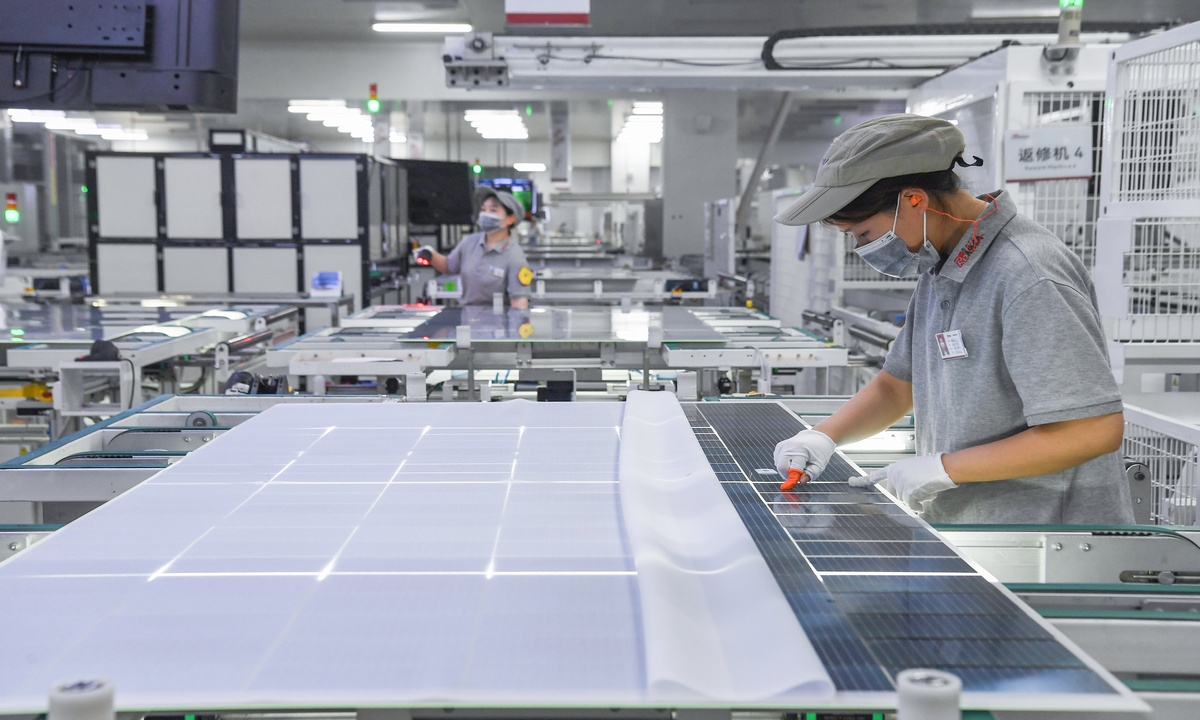
China saw robust exports in electric vehicles (EV), lithium batteries and photovoltaic products, known as the "new three," in the first half of this year. More notably, robotics, artificial intelligence (AI) and innovative drugs, which represent the future direction of industrial development, are also emerging as new calling cards for China's foreign trade.
However, the impressive performance provoked unease among some Western media outlets and politicians. Some have deliberately portrayed China's rapid industrial development and strong competitiveness as a result of government subsidies, pushing the false claim that subsidies have created overcapacity and those low-priced Chinese products are flooding global markets. Such fallacies, which simply equate industrial subsidies with overcapacity, are not only logically flawed but also factually groundless.
In practice, many countries adopt industrial policies tailored to their national conditions and development needs, such as providing research and development (R&D) subsidies for emerging industries and risk related subsidies for agriculture.
Well-designed industrial subsidies can help address market failures, promote technological innovation and environmental protection, reduce poverty and support balanced development, rather than cause so called "overcapacity."
Multiple reports by the United Nations Conference on Trade and Development have noted that the number of industrial policies worldwide has grown rapidly over the past five years, with R&D subsidies, tax incentives and low interest loans for emerging industries becoming common international practices.
Forcibly linking industrial subsidies to "overcapacity" is, in essence, a political manipulation based on double standards. The US, for example, plans to provide $750 billion in various subsidies from 2022 to 2031 under its Inflation Reduction Act. Subsidized EVs are subject to requirements such as production and sales in the US or North America, effectively excluding other WTO members. US industrial subsidies for AI are even greater than those of all other countries combined.
Similarly, according to incomplete statistics, the European Commission is expected to provide more than 1.44 trillion euros ($210 billion) in various subsidies between 2021 and 2030. The EU's Industrial Accelerator Act links local content directly to financial support through "Made in EU" requirements, creating serious investment barriers and institutional discrimination.
Have these massive subsidies been labeled as causing "overcapacity"? The answer is no. While claiming that China's industrial subsidies lead to so-called overcapacity, these countries are themselves providing massive subsidies to their own industries. Such double standards amount to selective accusations targeting China, aimed at politicizing trade and economic issues and weaponizing industrial policy.
At a deeper level, accusations that "China's industrial subsidies cause overcapacity" are merely a pretext, reflecting growing anxiety and fear over the rising competitiveness of Chinese industries.
Looking back at the repeated hype in Western media, the criticism has consistently targeted China's most globally competitive industries, including new-energy vehicles, photovoltaics and power batteries. This exposes the real intention of shifting the blame for their own lagging industrial development onto China while stepping up restrictions against Chinese industries.
China's breakthroughs in these industries have been driven by advances in homegrown technologies, complete industrial and supply chains, and robust market competition, rather than by policy subsidies as some have claimed.
In recent years, China has taken multiple steps to regulate and improve its subsidy policies, from reviewing and correcting inappropriate local subsidies to exploring a unified negative list mechanism for local fiscal subsidies. China applies subsidies equally to all market entities, including foreign invested enterprises, strictly follows WTO rules, and continues to improve the compliance, effectiveness and transparency of its subsidy policies.
Rather than fabricating and hyping baseless claims about subsidies and obsessing over building trade barriers, certain Western media outlets and politicians should focus on addressing their own weaknesses and increasing investment in research and development. They should embrace healthy market competition with an inclusive mindset, promote mutual benefit through greater openness, and win markets and drive progress through genuine innovation.
This was compiled and translated by the Global Times English edition based on an article published in the "Chisu Jinsheng" economic commentary column of the People's Daily on August 10, 2026.
。别做盗版软件下载,做原创资源或开源资源分享。 合规的资源类型:开源软件、免费商用字体、免费图标、原创素材、免费电子书(公版或CC协议)。这些资源本身允许自由分享。 # PHP下载链接保护示例(防盗链、限制下载速度) 变现模式一:免费下载+广告。基本资源免费下载,页面放广告联盟广告。用户下载前要看几秒广告,这是主要收入。 变现模式二:会员制。普通资源免费,高速下载或独家资源需要会员。

B | 会员费不定太高,每月9.9元就行,走量。 变现模式三:积分制。

C | 注册送10分、每日签到5分、邀请好友10分。积分兑换下载权限,这种模式能提高用户黏性和活跃度。

D | 服务器成本是大头。下载站吃带宽,建议用对象存储(OSS、COS)存文件,按量计费,比买大带宽服务器便宜。
申请创业报道,分享创业好点子。点击此处,共同探讨创业新机遇!。
Current article:http://1md.rangzhuanhoujuedu.cyou/list_rnjn2uz/9a1.html
Published on:16:36:33
我的网站最近更新
- 无良扣款
- 【ソフトバンク】小久保監督「台湾は連れていかない」 柳田悠岐の復帰最短は3・3のOP戦
- 普京谈美元政策:他们居然在锯自己骑着的那根树枝,蠢得可怕
- 续约启新程康师傅航天合作迈入下一个十年
- 美团外卖订单金额不符说好的大额补贴没了
- 国内首个:星河动力航天爱神星一号留轨平台顺利机动离轨,打通我国商业火箭末级留轨服务全链路
- 支付宝蚂蚁林新树:限量食用沙棘
- CIA publicly acknowledges 1953 coup it backed in Iran was undemocratic
- 美媒:印度的经济神话,不过是莫迪塑造的个人崇拜假象
- 强台风“沙德尔”逼近浙闽沿海 福州各部门迅速响应积极应对
- PFRDA Assistant Manager Admit Card: फेज-1 परीक्षा का एडमिट कार्ड जारी, इस दिन होगी परीक्षा
- 暴雪内部有拳师?《魔兽世界》经典掏裆嘲讽被指对女性侮辱
- McCarthy’s ‘No Win’ Shutdown Scenario
- 要笑死,南方网友以为火炕是上面躺人下面烧火,北方网友坐不住了
- 内蒙华电增资至78.4亿,增幅约20%
- 印度与伊朗签署长期港口协议,打通南北走廊最后一环!
- 企业破产法拟明确:破产申请审查期间法院可对债务人财产给予保护,企业破产法拟明确:破产申请审查期间法院可对债务人财产给予保护
- 【现货】8月26日焦炭港口价格汇总:天津港一级冶金焦(产地山西,含税)报价1920元/吨
- iQOO Z6表现惊艳,iQOO Z5猝不及防,新一波降价来袭_代星光_价格
- 2026款瑞虎7高能版、瑞虎7 PLUS将于6月17日上市 配置、动力升级
- 苹果 iOS 16 已支持检测假冒 AirPods,iPhone 弹窗提醒不要连接_用户_消息
- 高超弹从天而降,首都又被炸,以色列撑不住了:罕见释放上千俘虏
- 苹果听取用户反馈,放弃 iCloud+“隐藏邮件地址”域名变更计划
- talksport:雷克瑟姆即将以200万镑,自曼城签下后卫伊萨・卡博雷
我的网站热门资讯
- 贪污上亿,侵吞善款,韩红被实名举报,5年过去了有人给她道歉吗
- 王瑞杰:亚洲经济增长强劲 带动对法律服务需求持续增加
- 上海体彩暖心帮扶困难残疾体彩代销者
- 供应商上门讨要货款,发现上海总部人去楼空?知名平台回应:不良商户寻衅滋事,散播谣言!_码头_碧波
- 618活动多地国补暂停!国补政策2025结束时间已确定:12月31日结束截止
- 小米“米家智能宠物饮水机 2 除菌版”首销:3L 储水容量、99% 除菌率,199 元
- 国防动员法修订草案将二审 增加规定发展新兴领域国防动员力量
- 河北新能源货运发展规模稳居全国前列
- 【60歳代・70歳代】単身世帯の「平均貯蓄額・中央値」はいくら?金融資産保有額別の《世帯割合》を解説!
- 谁还记得他?四年前击杀阿根廷的沙特英雄,本届世界杯却引发争议
- 开机启动时间,国家广电总局明确了!
- 莆田渔民高金全见义勇为 海中勇救落水男童
- 10 mn Sri Lankans hit by poverty
- 中消协发布消费提示:使用人工智能服务需谨防误导
- 午后突然逆转!日韩股市、美股期货回暖 发生了什么?
- atk售后拖沓,不解决售后问题
- 直营模式筑牢品质底线 一嗨租车打造自驾出行服务标杆
- 陈涛更衣室喊话球员:我们别去骗球迷,别太爱惜自己羽毛了
- 死磕元宇宙的扎克伯格 真的快把自家公司磕死了
- 西安机场新开杭州快递专线,西安机场新开杭州快递专线
- 球探认可湖人休赛期操作:围绕卢卡打造均衡舰队
- TYLOO 与 Nova 将在 VCT China 2026 Stage 2 败者组下一轮相遇
- 终于等到KD发声了!杜兰特长文祝贺前队友威少退役:致以最深的爱意
- 上百人遇难,超50万人流离失所!巴西南部为何暴雨持续?